Continuity
Most AI feeds look like twelve strangers’ work. Yours shouldn’t.
The problem
Generate ten posts from ten prompts and you get ten unrelated pictures. Same logo, no relationship. The eye reads that as noise, and a feed of noise doesn’t build a brand.
The surface
Your brand kit
Fonts, accent colour, palette, headline casing, wordmark and logo chrome. Import it from your website or from reference images, then every deck inherits it.
The canon
Your brand universe
The authored world your posts live in: the setting, the visual grammar, the tone, the motifs that recur, the cast that appears, and the list of things that must never show up. You approve it once. After that, every deck is built inside it rather than beside it.
The grade
Your saved look
The finish: light, palette, materials, the treatment that makes a picture recognisably yours. Carried forward automatically, changed when you choose to change it.
The ledger
A cast that comes back
Snappd keeps a ledger of the characters and objects it has used for you, and pulls from it again. A recurring object across a month of posts does more brand work than a logo in the corner ever will.
One brand, two worlds
Same brand. Nothing in common but the brand.
Both of these are Pharos. They share an accent colour, a voice and a level of discipline, and not a single object, setting or prop. Swipe either one — the world holds for nine or ten slides, then the next deck builds a different one.
A machinist’s measuring bench


Pharos — 10 slides
hook
Slide 1 of 10. 70% of buyers ask AI first. Most brands don’t show up.
A wet night customs checkpoint


Pharos — 9 slides
hook
Slide 1 of 9. Some brands clear. Most get seized.
The exhibit
One brief. Five worlds.
Every cover below is the same post about the same product. The only thing that changed is the world Snappd built it in.
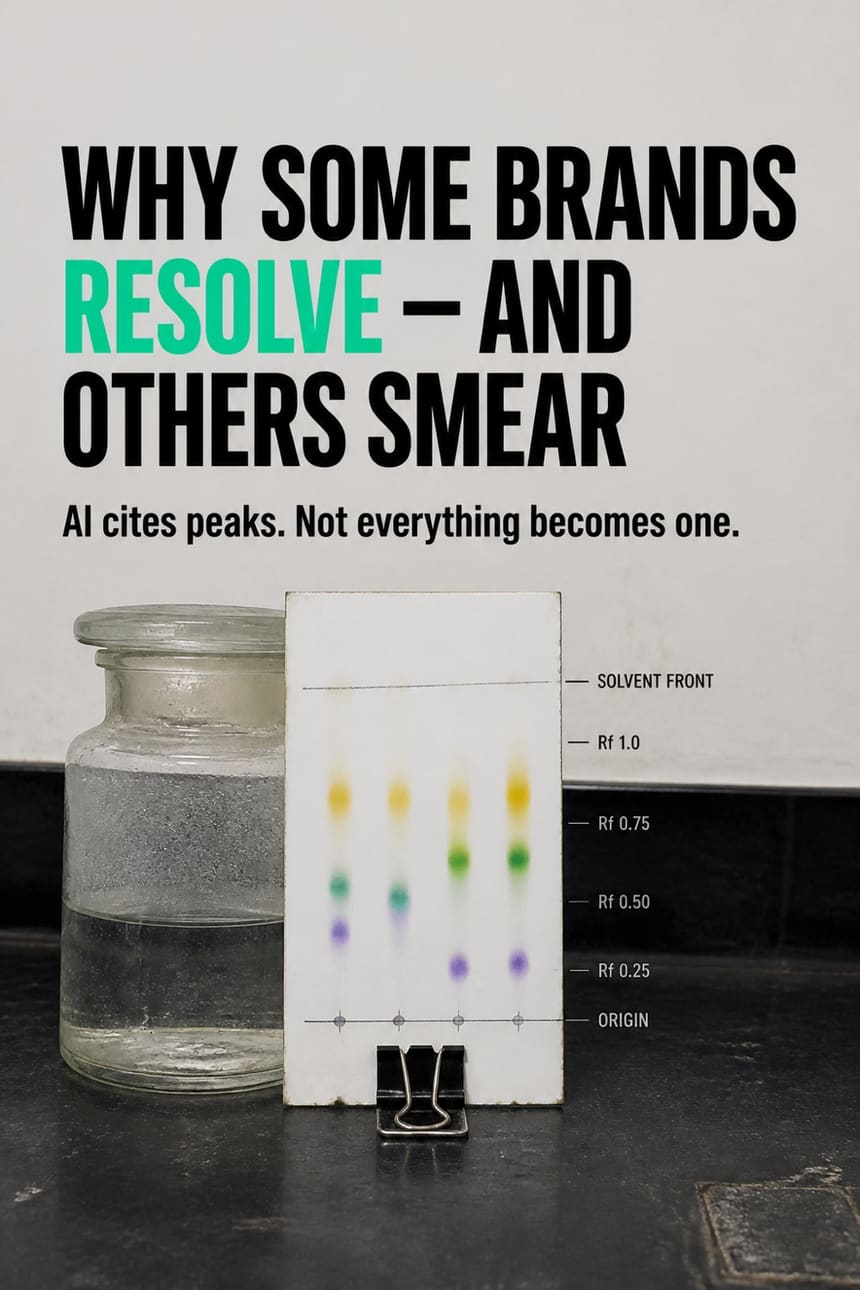
The lab
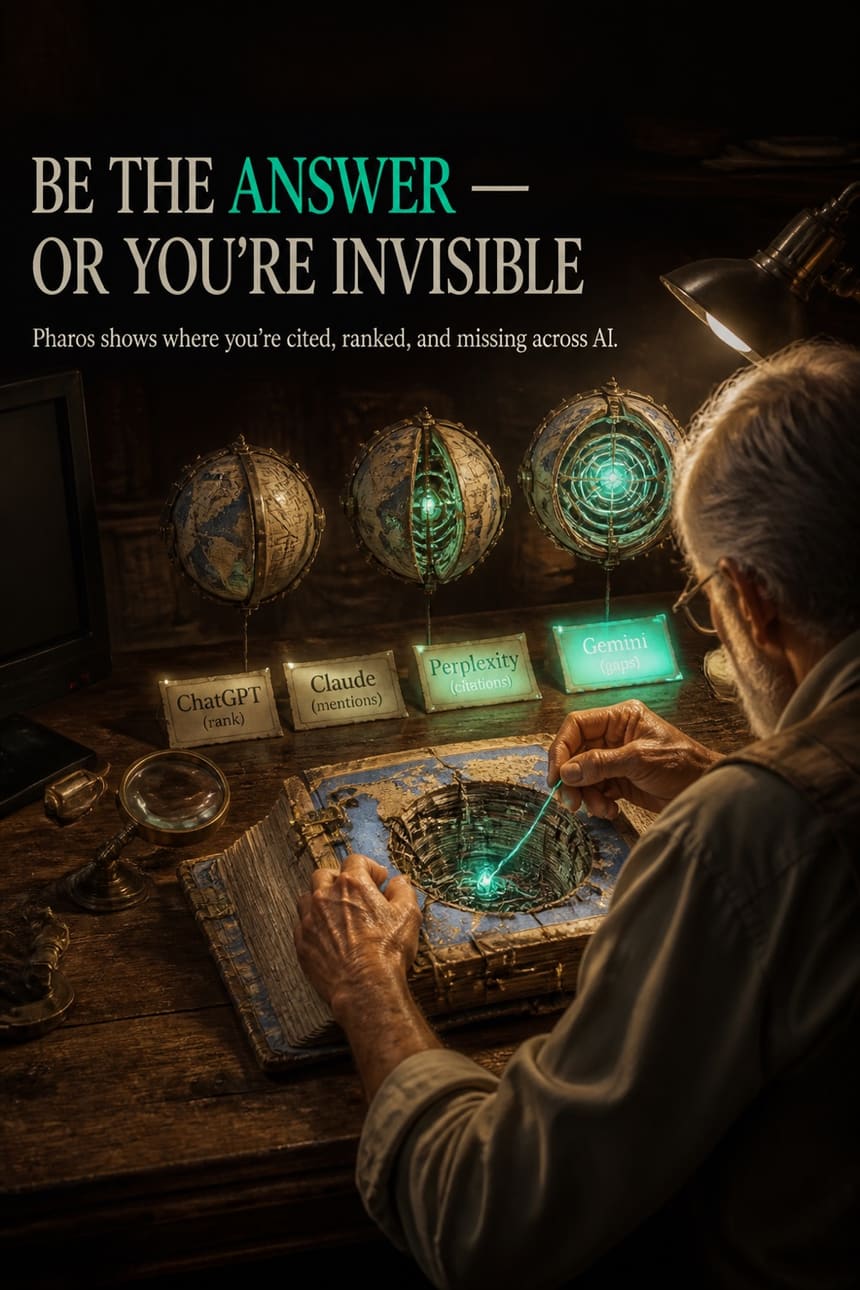
The cartographer
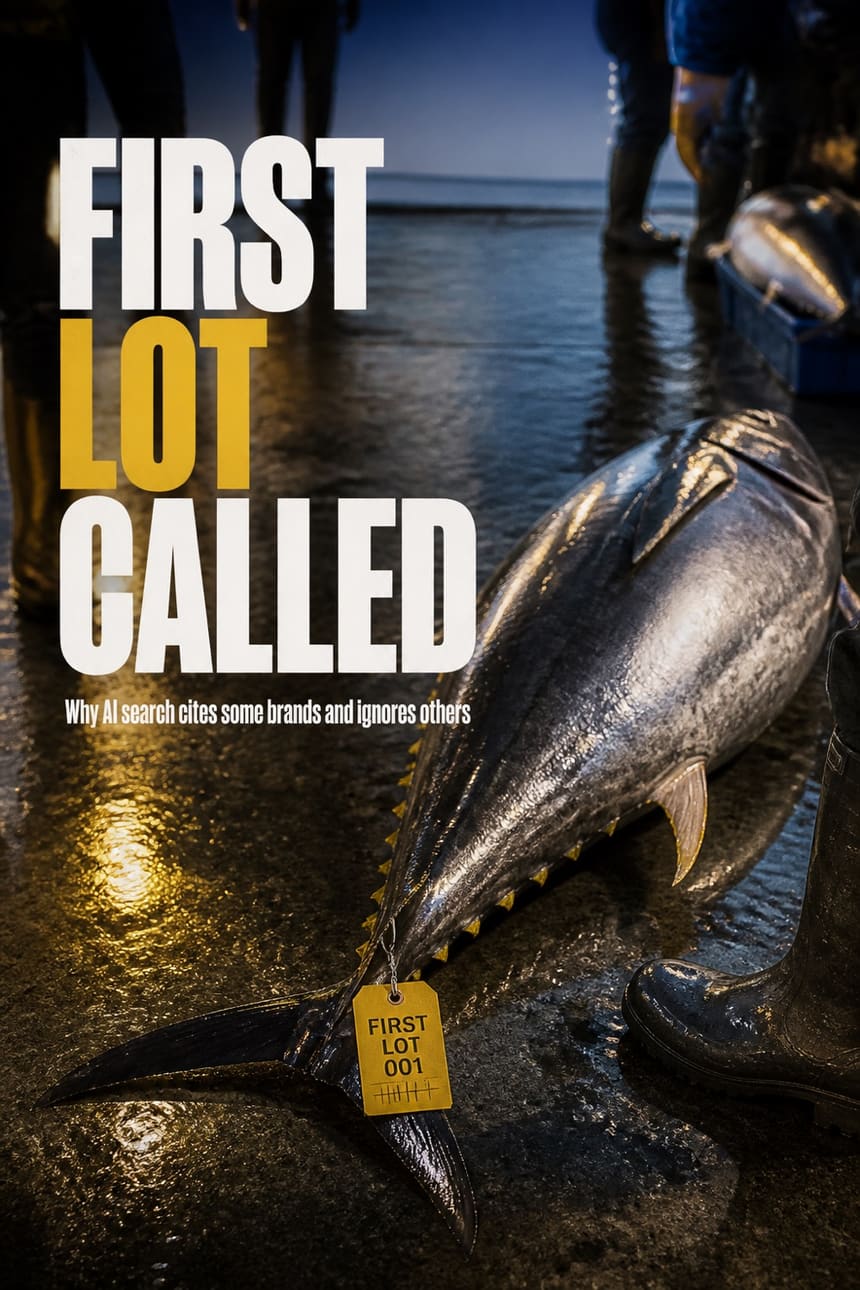
The market
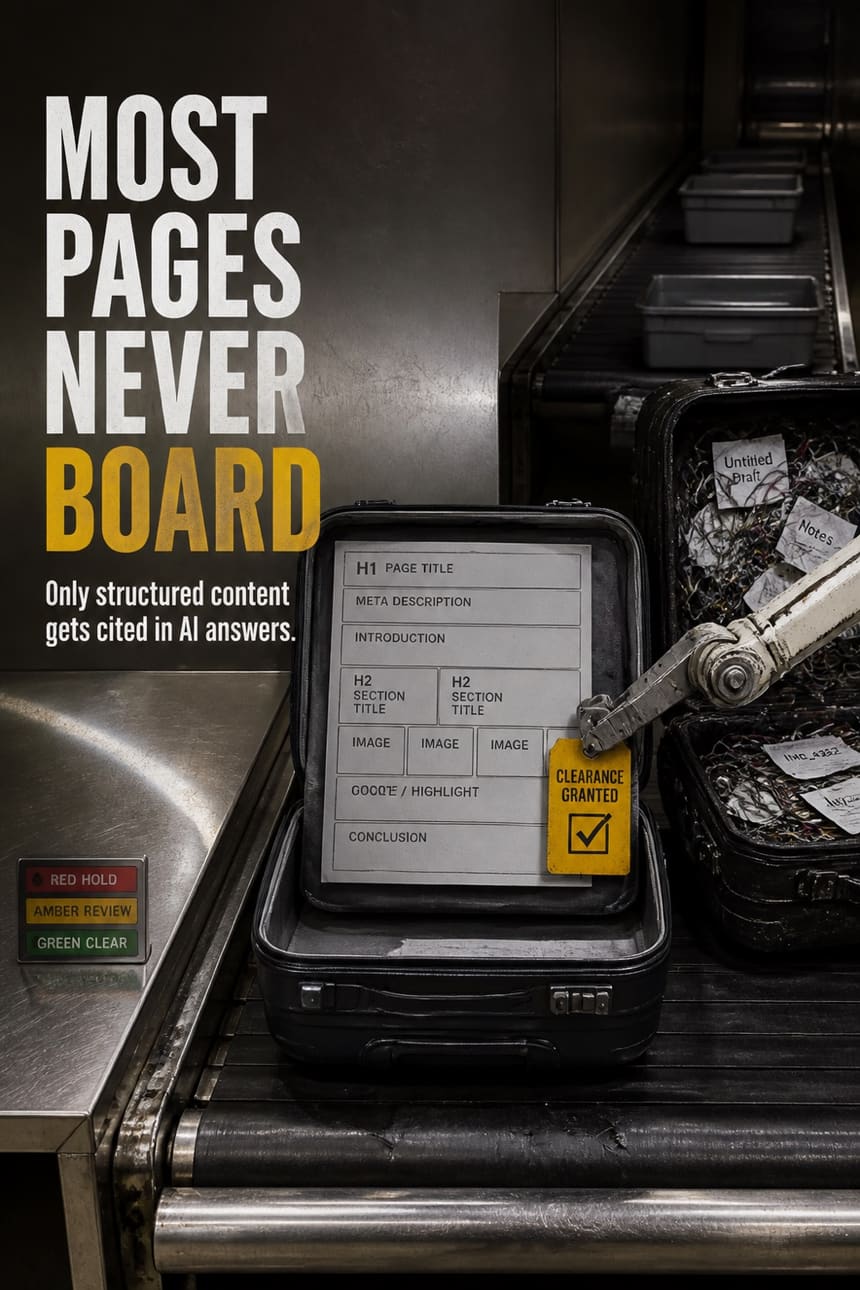
The terminal
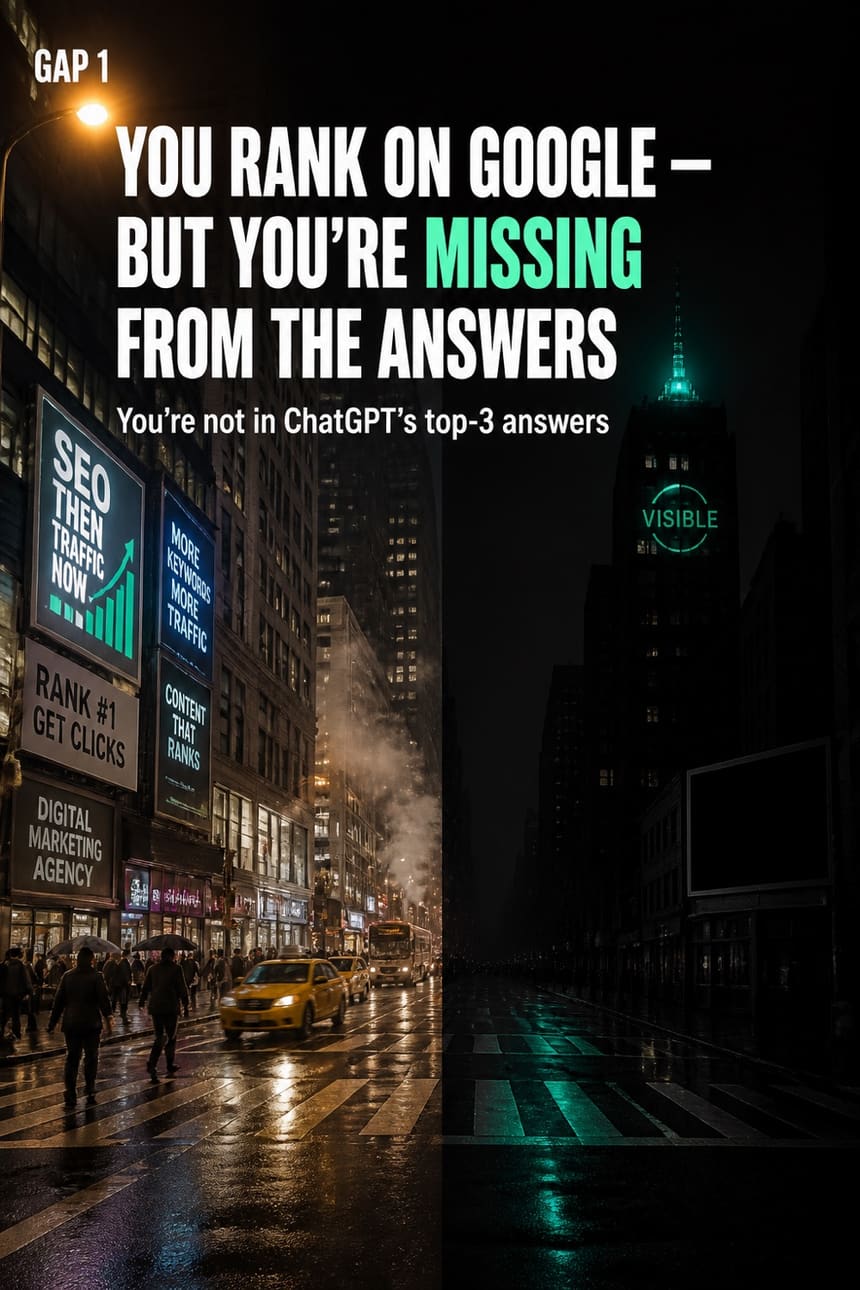
The avenue


What that buys you
Someone who sees your fourth post recognises your seventh without reading the handle. That is the whole game, and it’s the part a template tool can’t do.
Set the world once. Every deck comes out inside it.
Three carousels free. No card.